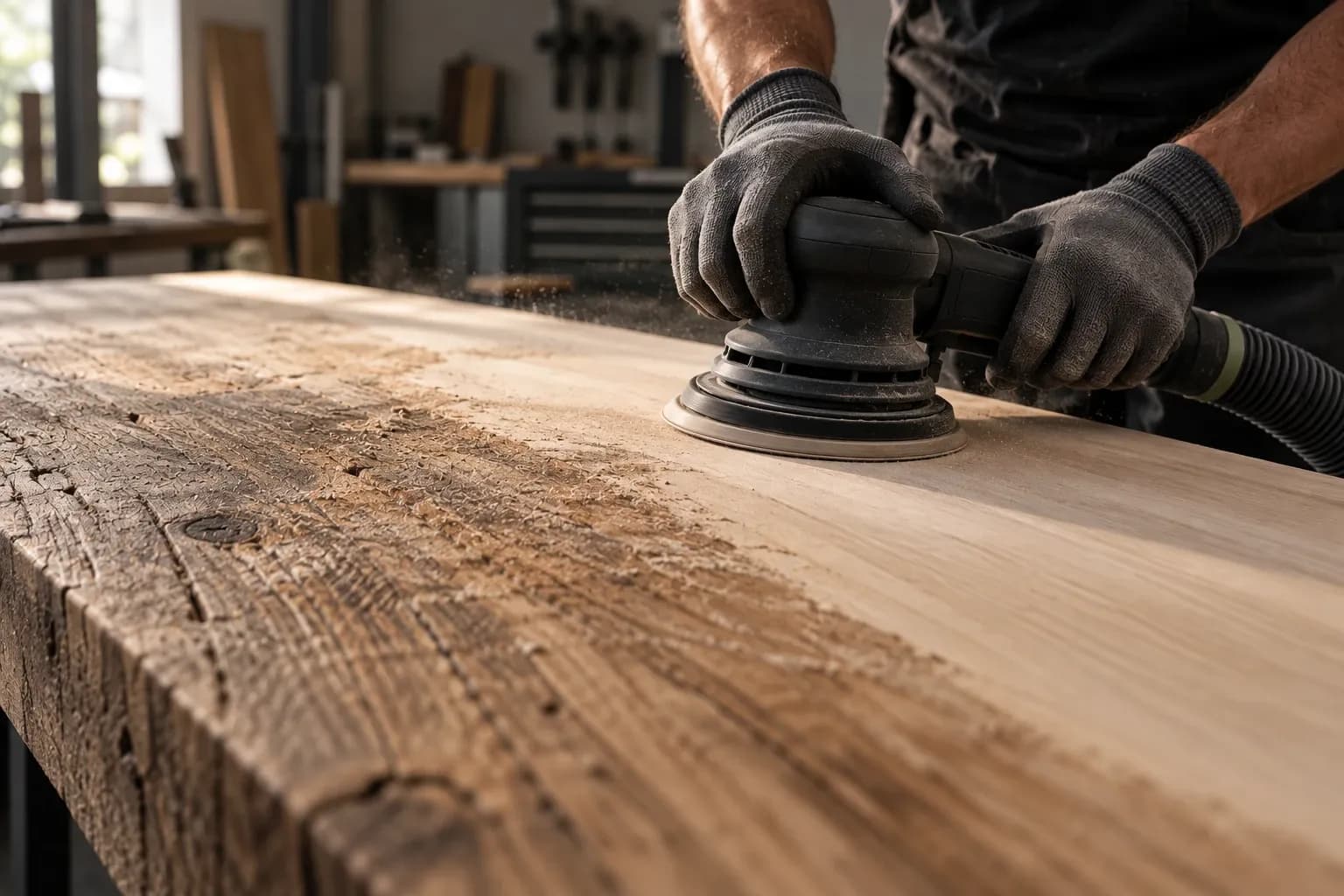
What do you want to sand?
You don't need to know which abrasive you need – only what you want to work on. Every application leads to the work steps, the grits and the matching products.
From raw to finished
What are you working on?
Six applications, each with three stages from raw to finished. Below them all 21 work steps – each leads straight to its grits and products.
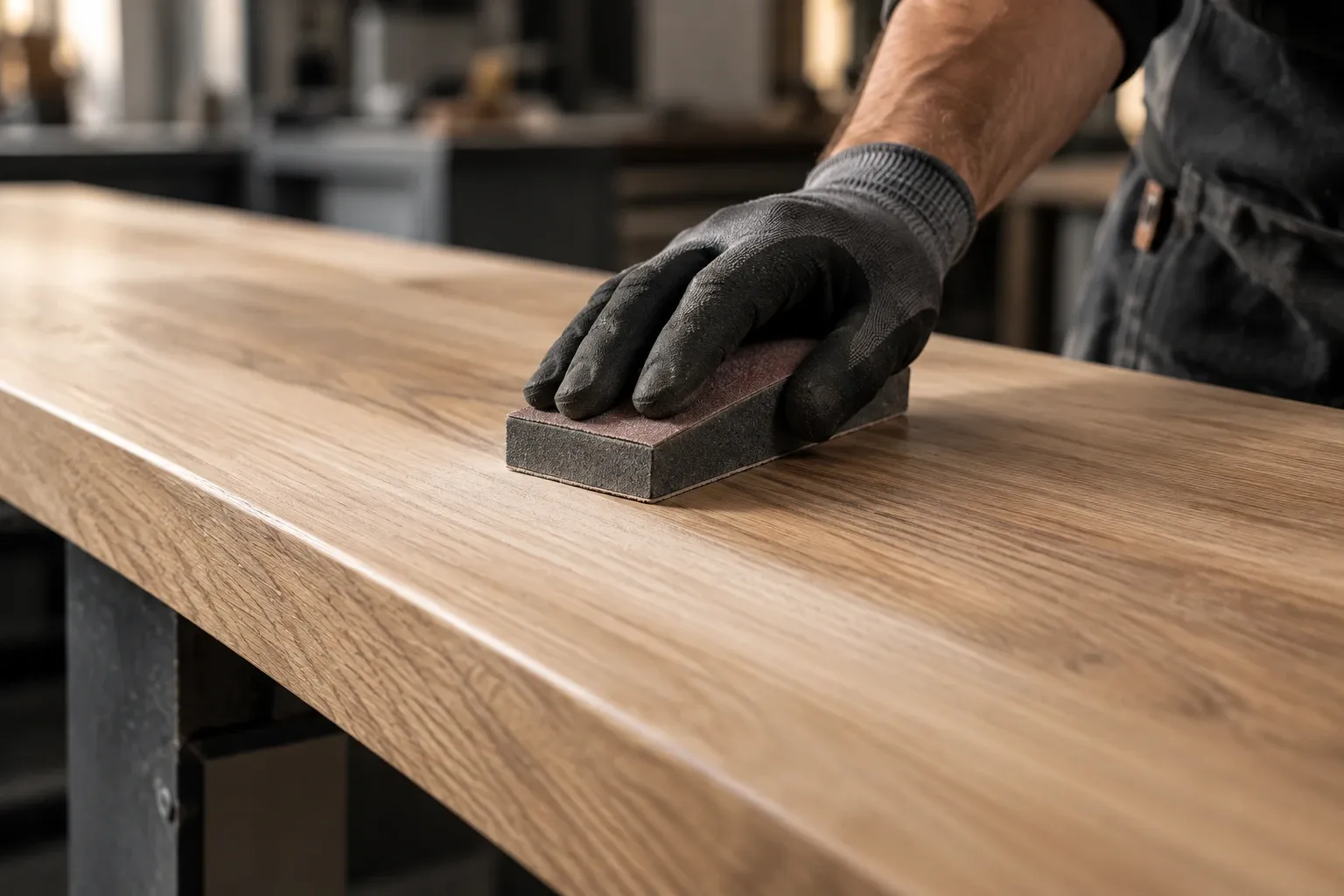
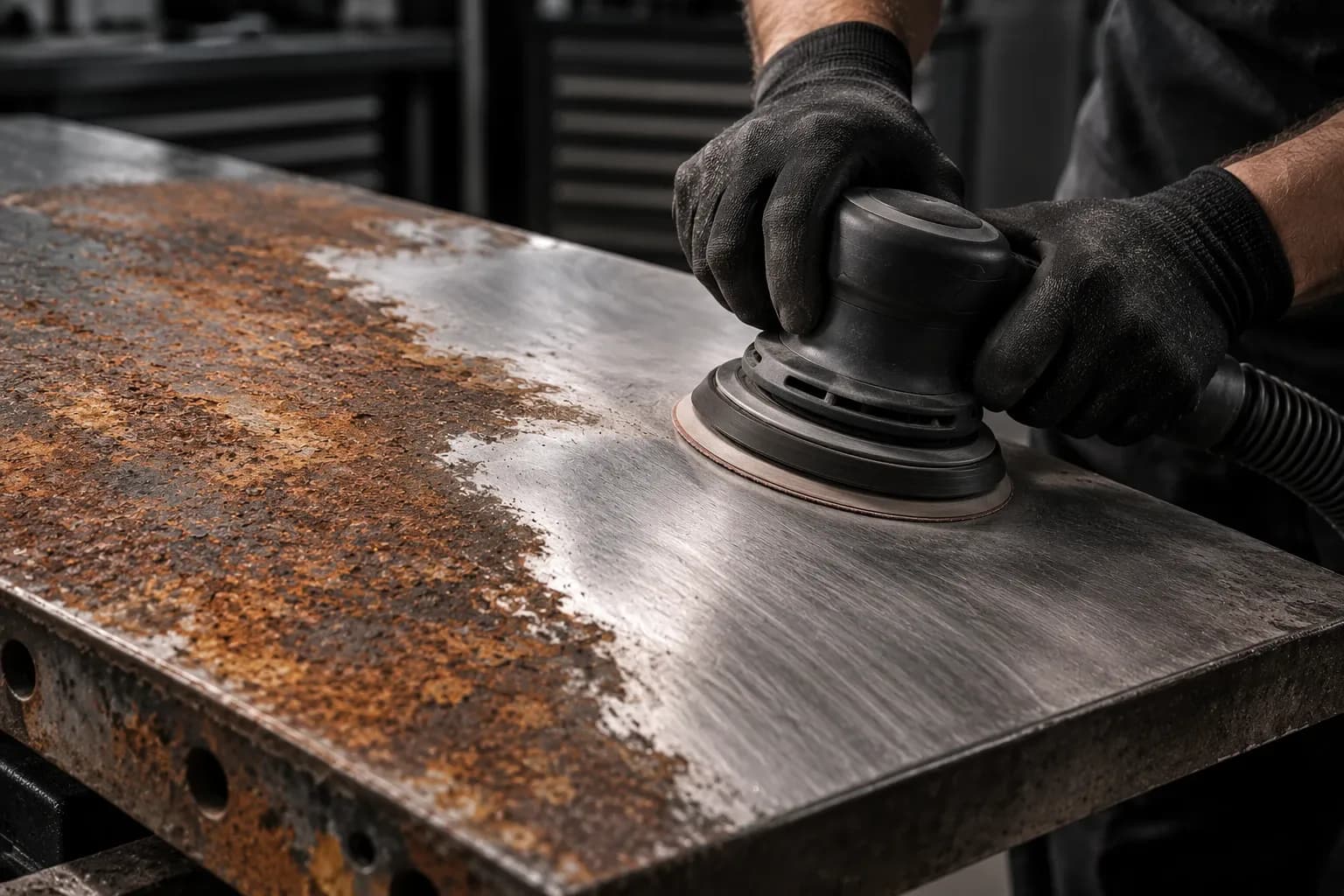
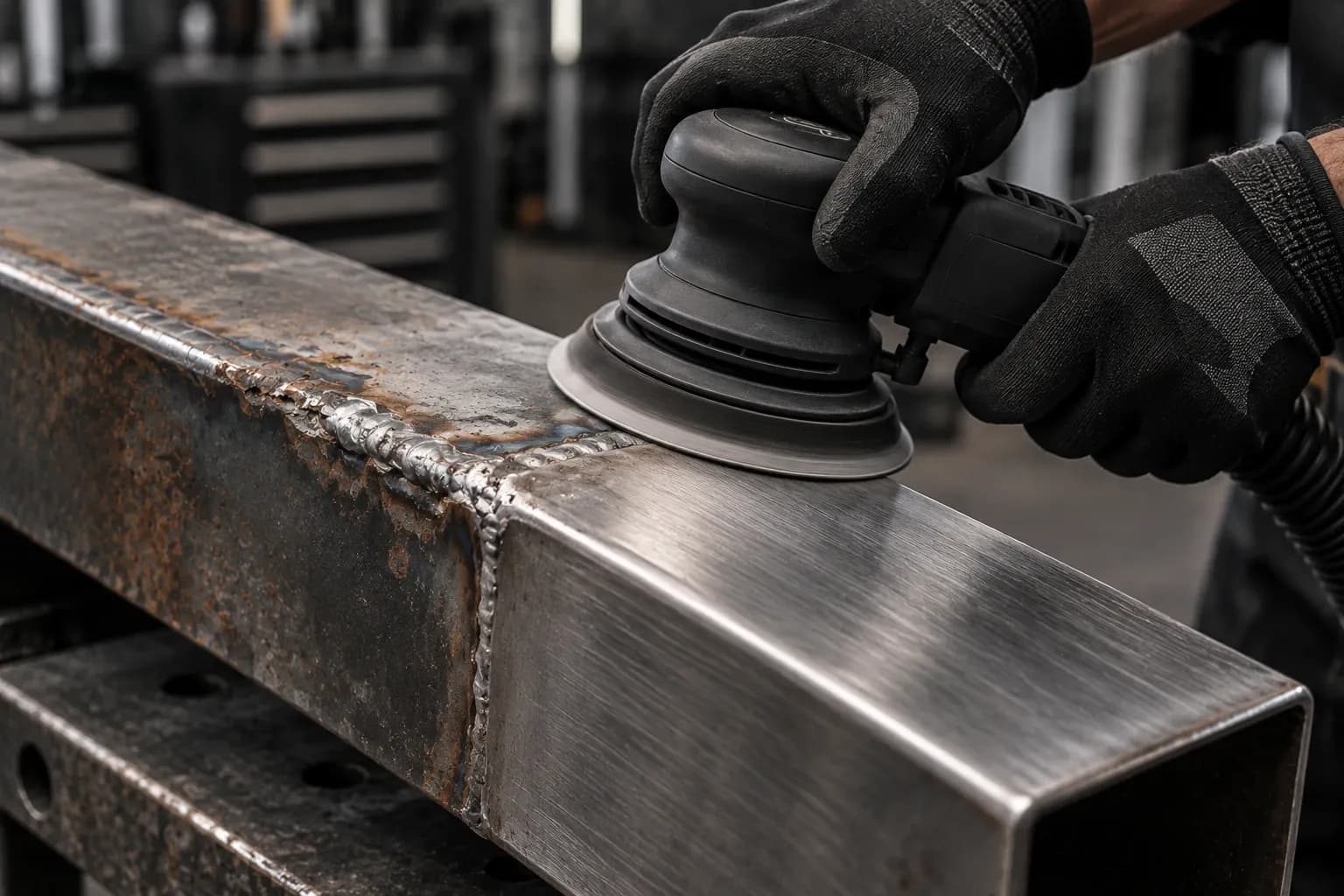
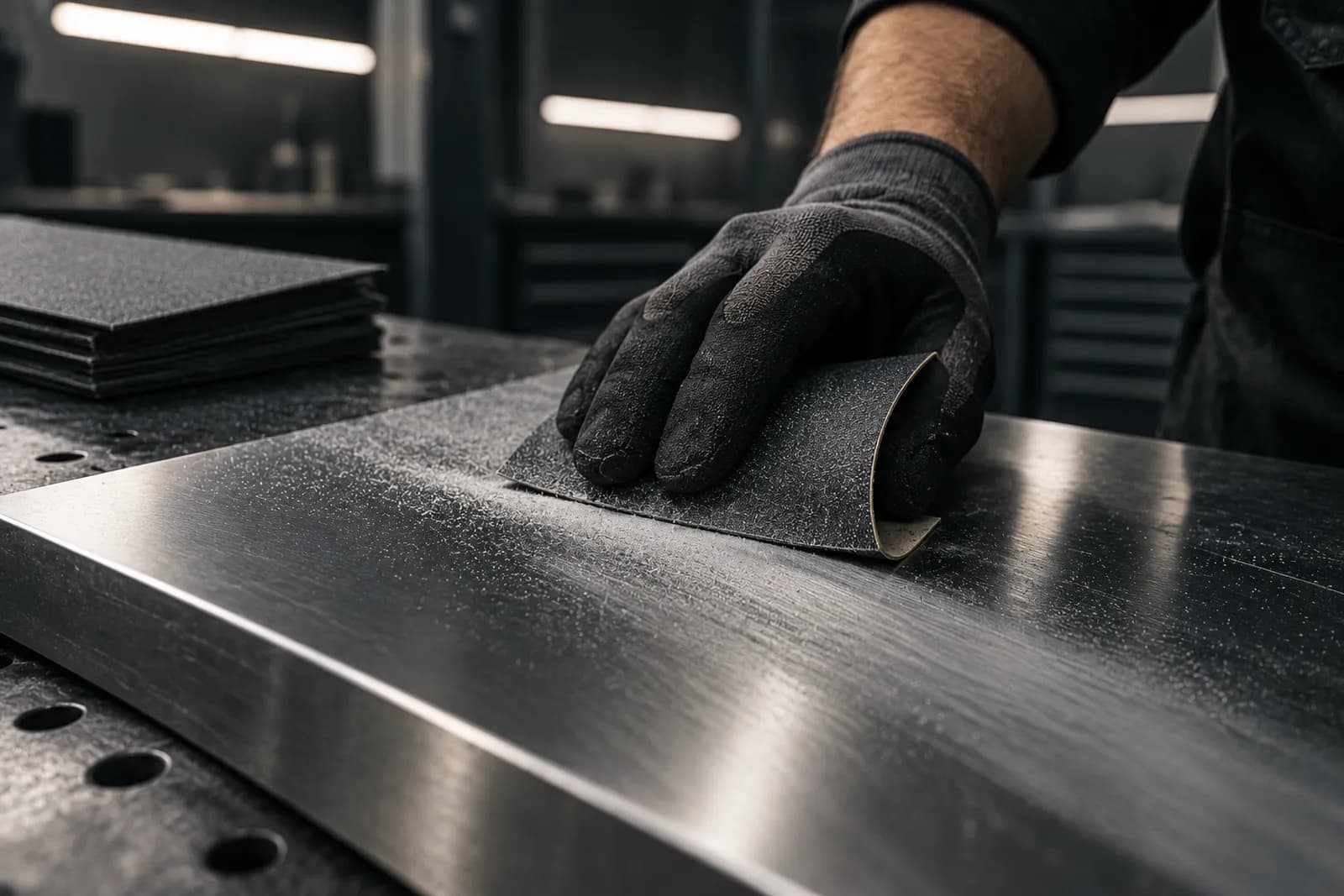
By material
Four materials – from raw state to finished surface.
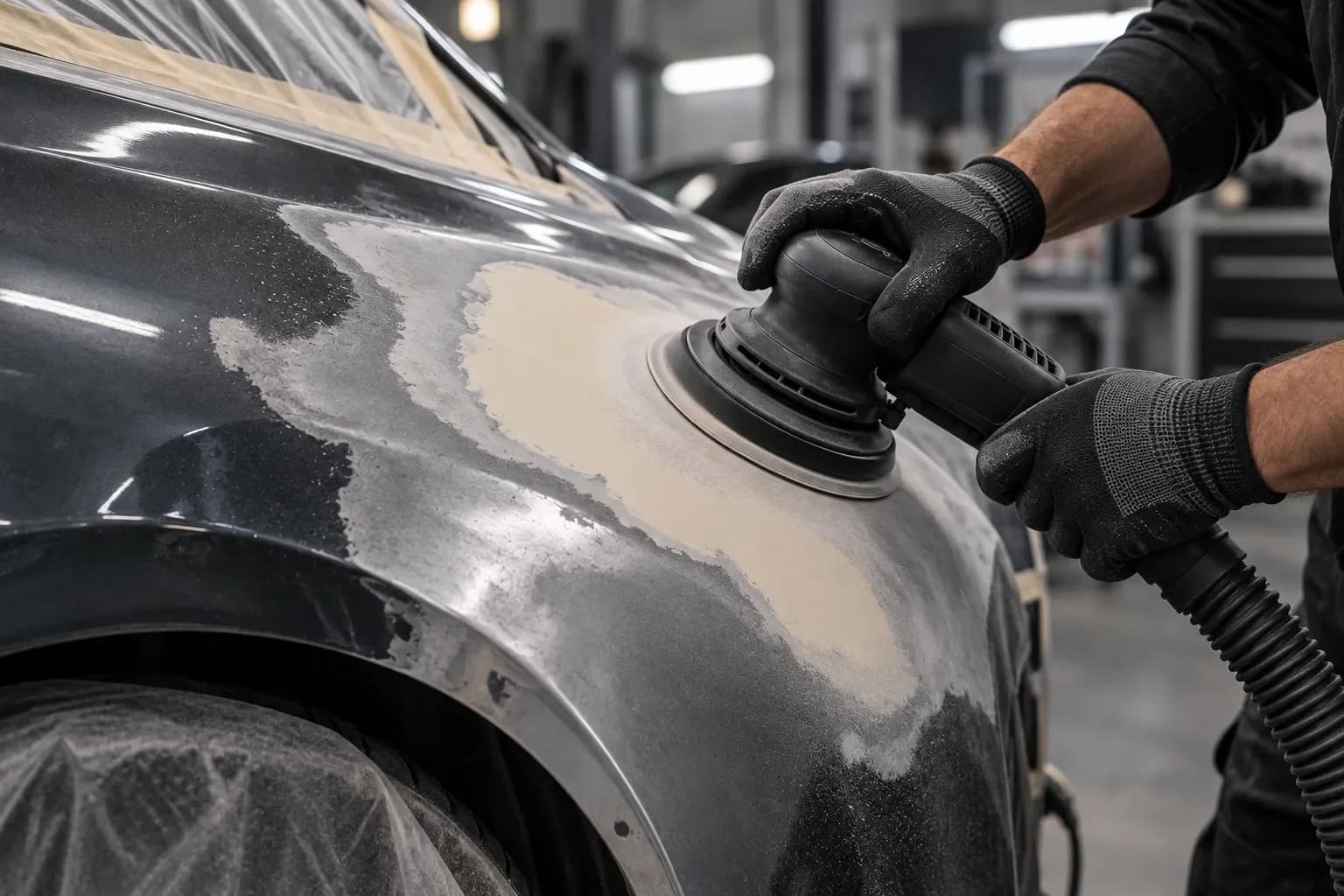
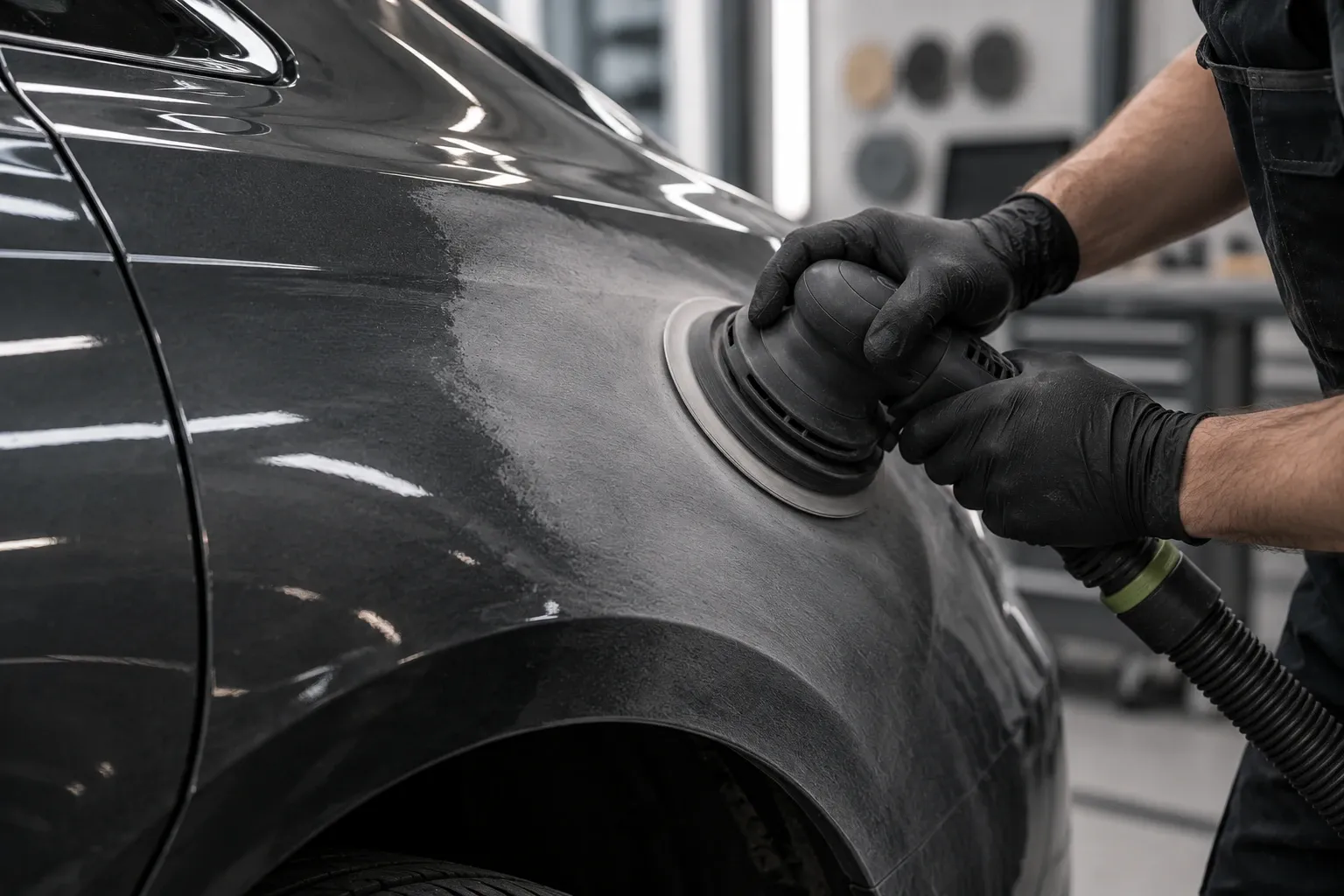
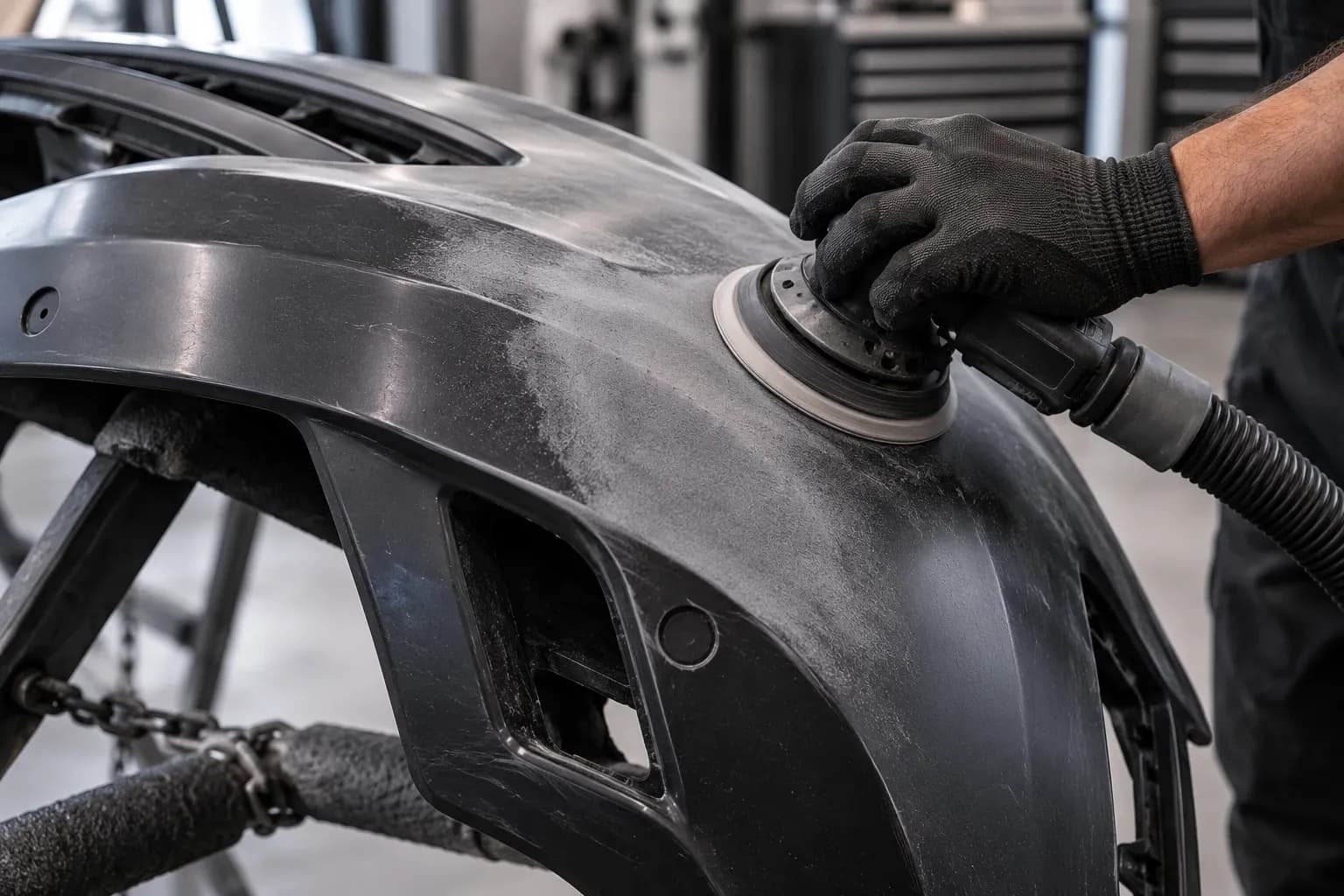
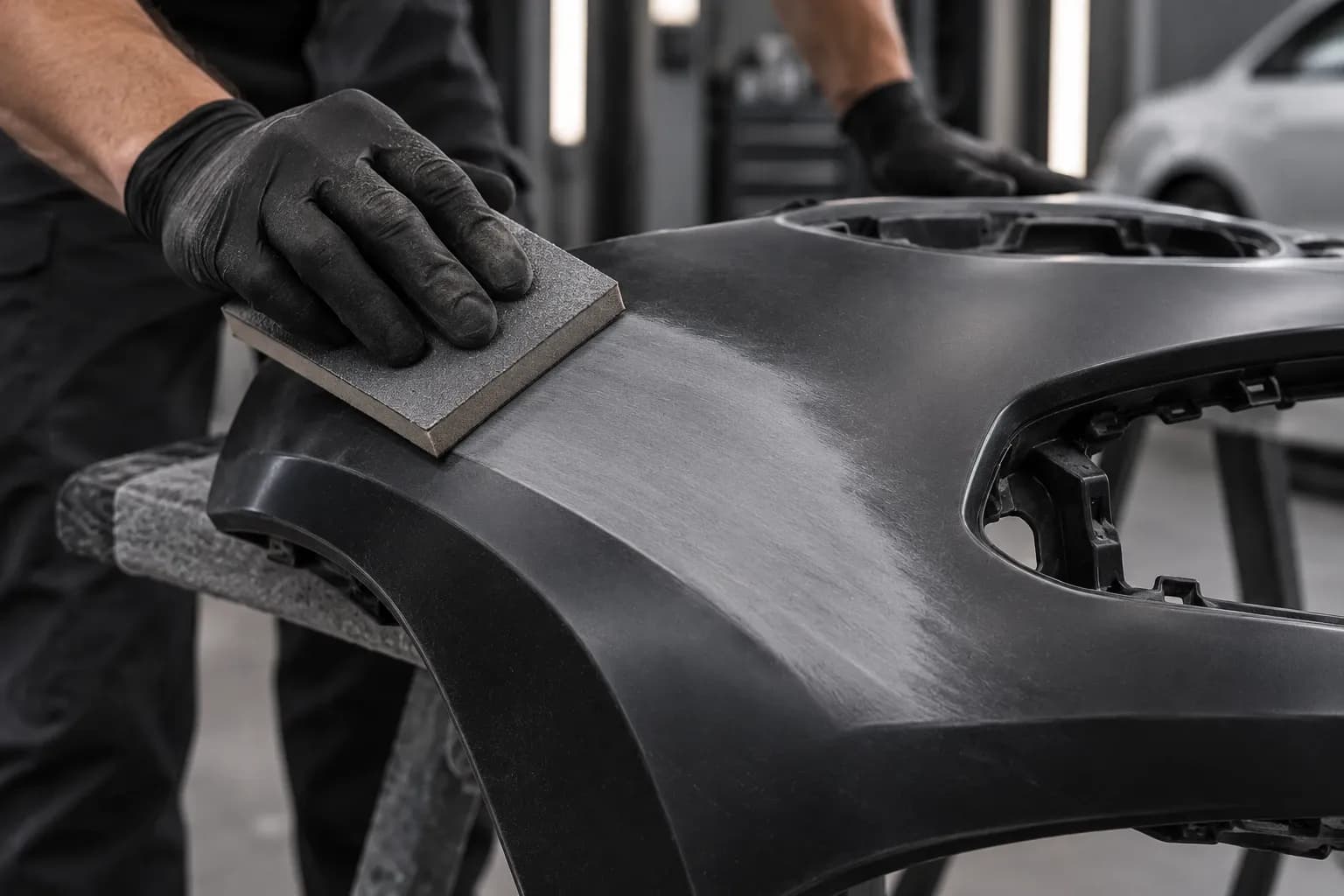
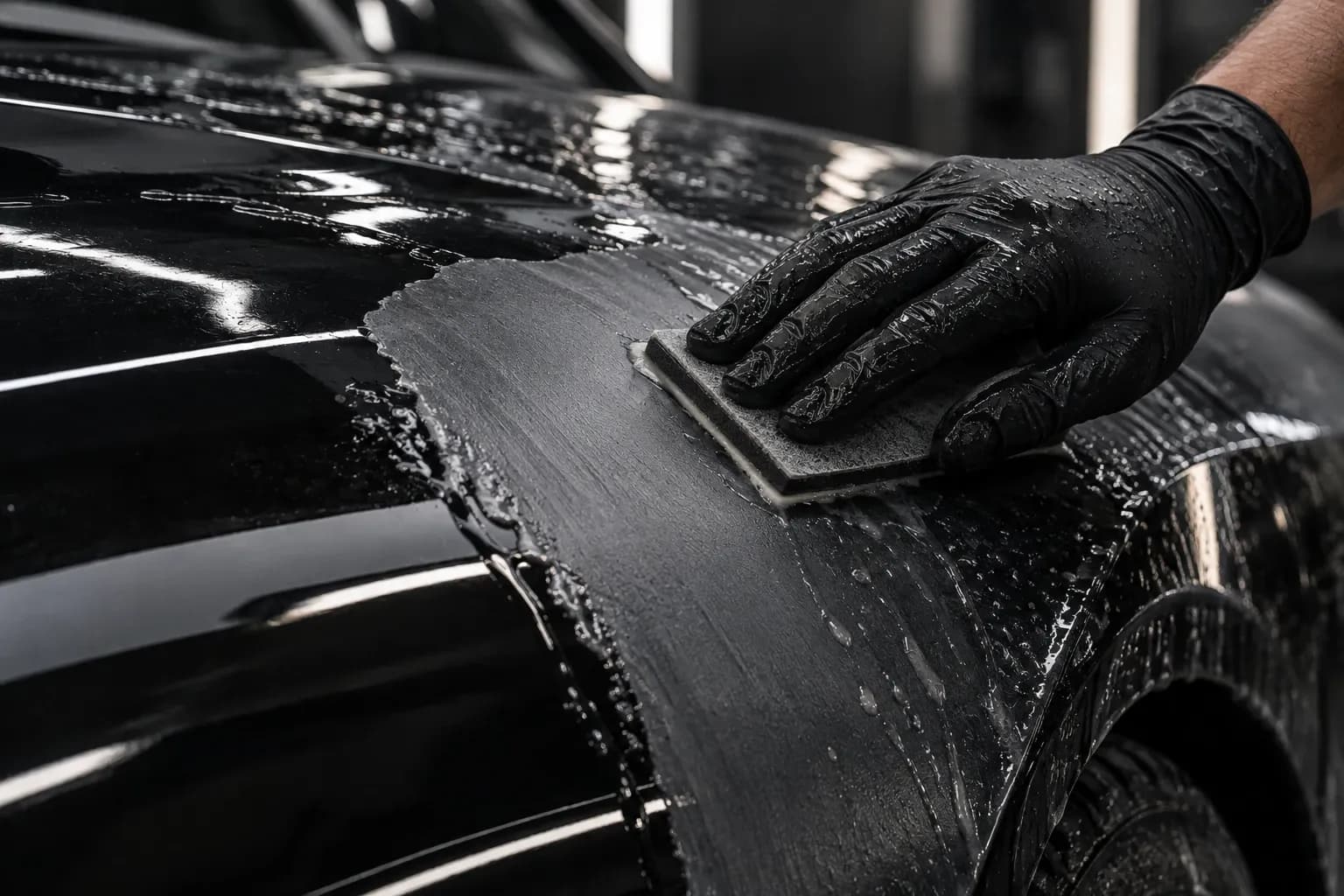
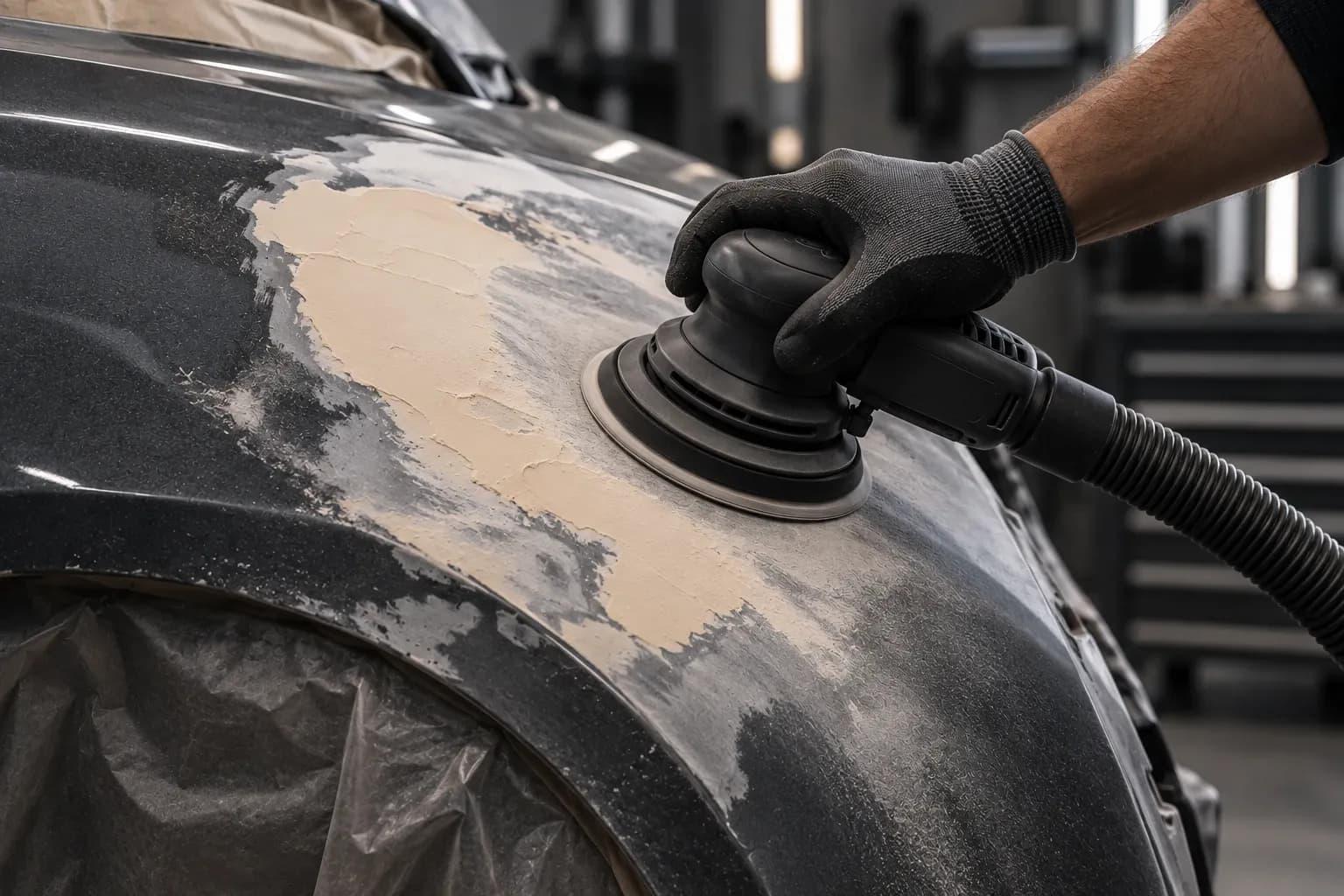
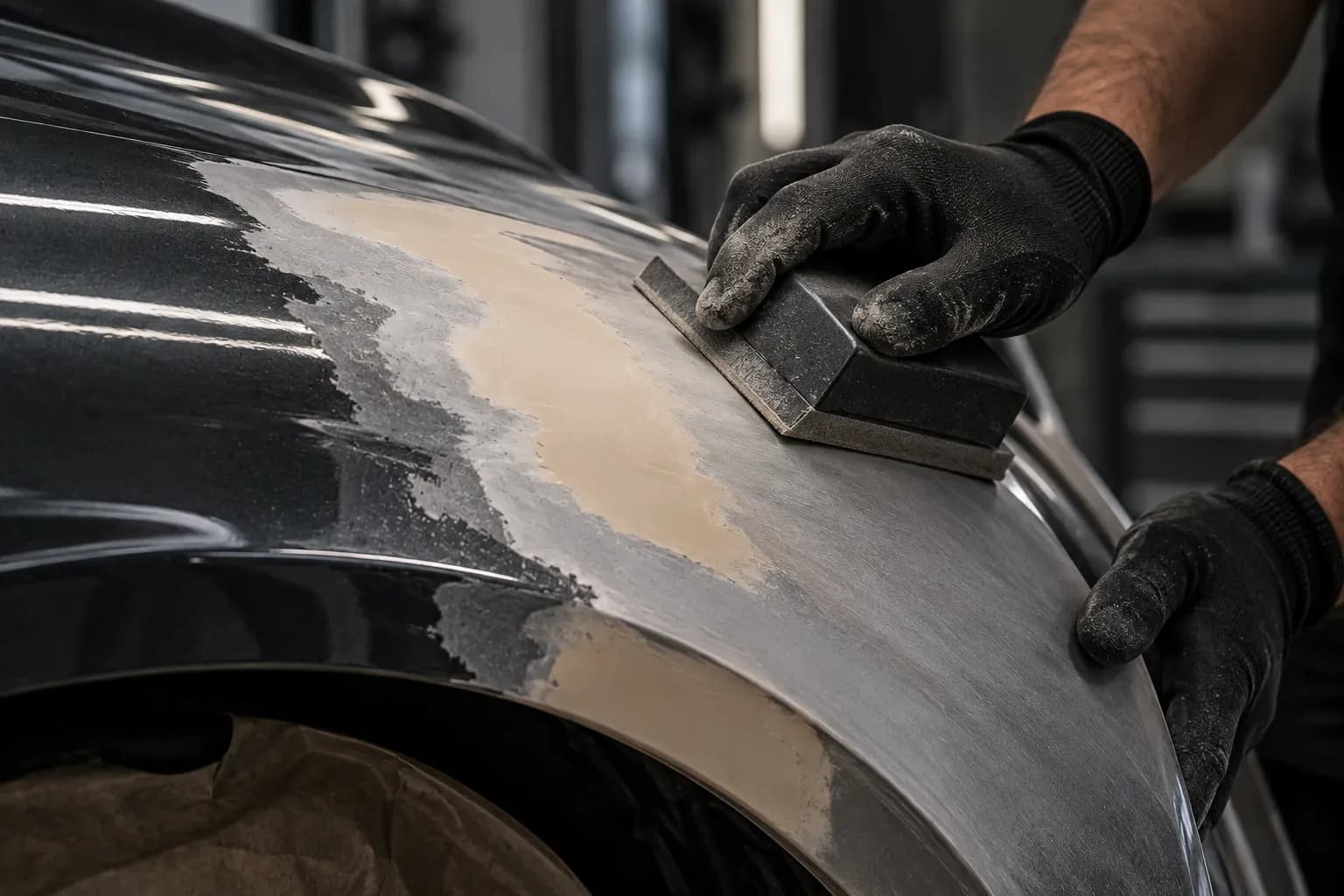
In the paint build-up: filler & primer surfacer
The intermediate steps of every paint job – on cars, metal and plastic.
Questions & help
Which application fits?
Which application do I choose for a car repair?
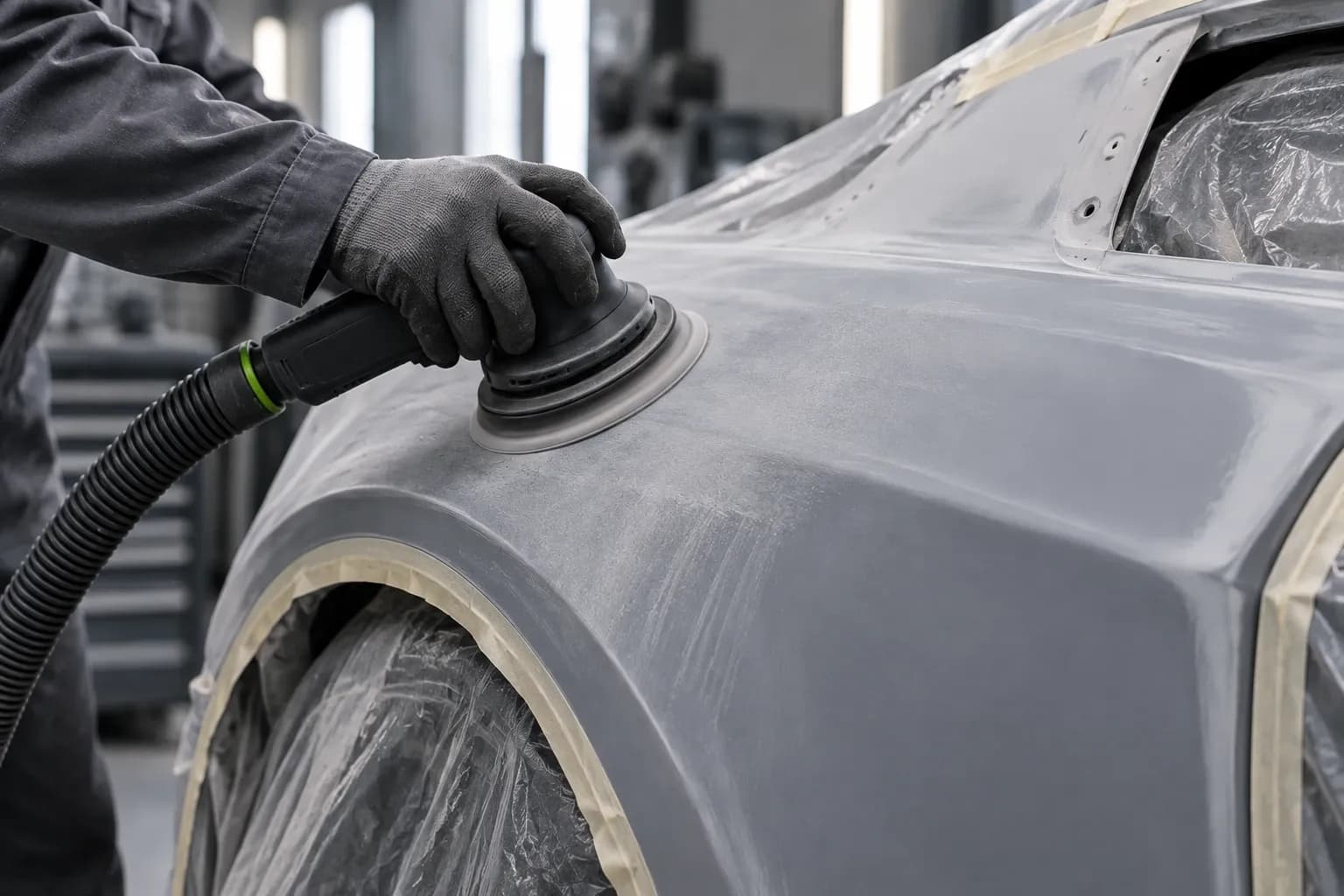
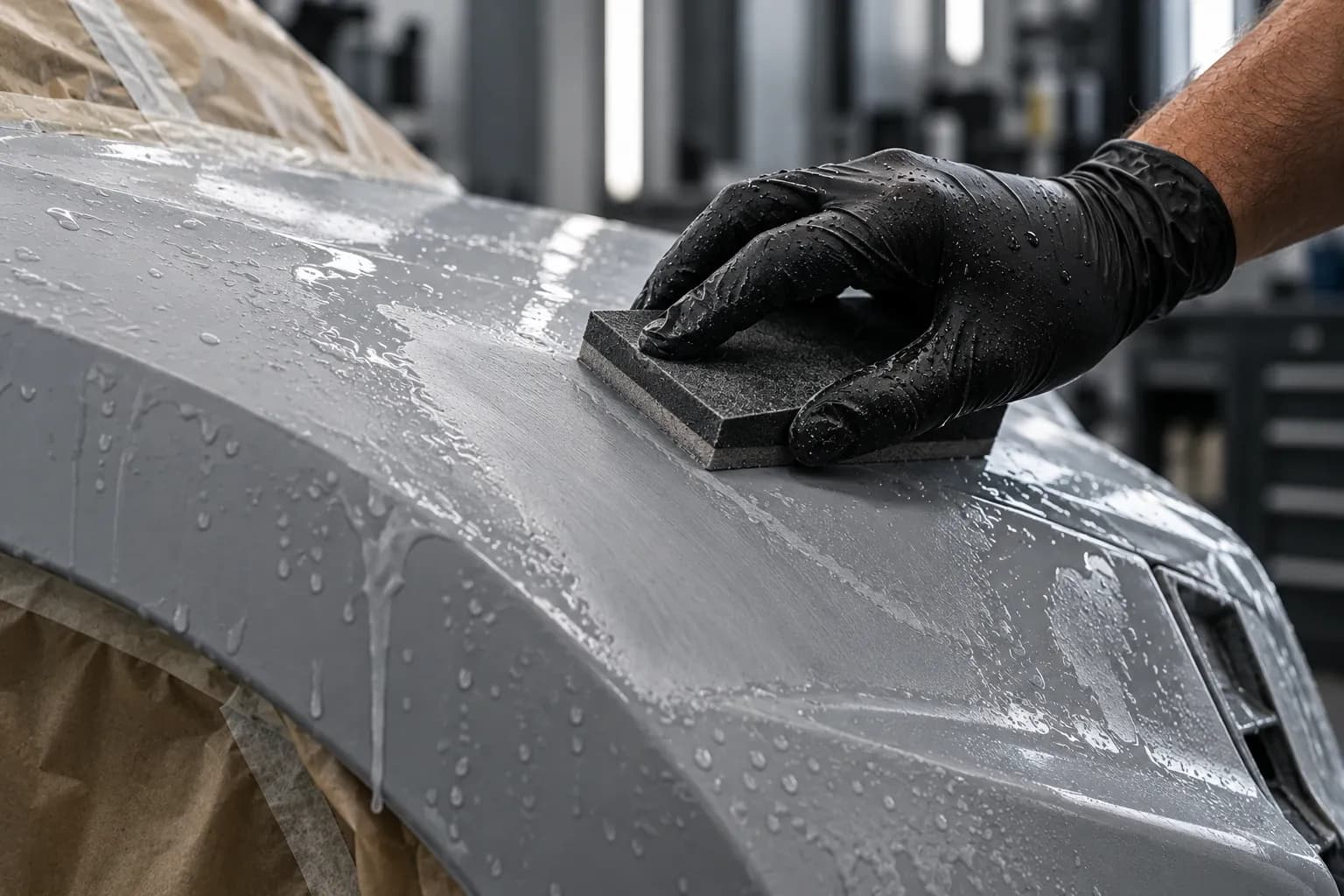
Car & paint shows the whole process from body filler to the finish before polishing. Body filler and Primer pick out two intermediate steps and go into more detail – such as guide coat, feathered edges and primer surfacer before solid colour or base coat.
Do I need different abrasives for every material?
Not necessarily: a good sanding disc sands wood, paint, filler and metal. You need dedicated discs for stainless steel and aluminium – steel particles cause flash rust there later. Sand plastic with a fine grit and light pressure so that it doesn't smear.
What is the difference between stages and work steps?
The three stages per application give a rough summary of the path from raw to finished. The work steps below are more detailed: each with its grits, an explanation and the matching products – some only when needed, such as removing old paint or rust.
Not sure where to start?
- Abrasive finderA few questions about material and goal – and you end up with a grit sequence and products.
- Grit guideWhich grit for what, and how big the jump to the next one can be.
- GlossaryKeying, runs, orange peel & co. – terms explained briefly.
- ContactCan't find what you're planning? Write to us and we'll tell you where to start.