Hand blocks Hand sanding block 70 × 198
Hand sanding block with hook and loop and extraction port – for strips and rolls.
- Attachment:
- Hook and loop + clamps
€14.90
incl. VAT, plus shipping
In stock · Delivery 3–5 working days (DE) · free shipping from €49
Questions? Call: +49 (0) 6184 99 47 130- Hook and loop plus clamps
- Extraction port
- Flat sanding surface
Hand sanding block 70 × 198: technical details
- Sanding surface
- 70 × 198 mm
- Attachment
- Hook and loop + clamps
- Dust extraction
- Port Ø 27 mm
- Machine
- Hand sanding
Terms explained
Anything unclear – size, grit, machine? Ask a question about Hand sanding block 70 × 198
Hand sanding block 70 × 198: description
The block for flat hand sanding: hook-and-loop face for PRO STRIP, clamps for roll paper, port for your workshop vacuum. Ergonomic grip, flat sanding surface – for body filler, primer surfacer and wood.
Helps against
- Sanded through – primer, wood or chipboard is exposed
- The filler repair shows through
- The surface goes wavy, edges get rounded
- Wood feels rough after the first coat
- The rust comes back in the same spot
- Blisters in the paint over a filler repair
- The wood turns blotchy when stained
- Acrylic edge turns cloudy again after polishing
Hand sanding block 70 × 198 in practice
- When
- For straight hand sanding on filler, primer and wood – wherever the surface has to become flat and a machine would be too coarse.
- How to go about it
- Attach strips or clamp roll paper, connect the vacuum and sand the whole surface in long strokes.
- Better something else
- For curves and profiles, paper from the roll around a soft block works better. For large surfaces a random orbital sander saves time.
- Tip from the workshop
- With extraction the paper clogs much more slowly – the hose pays off even for hand sanding.
Goes well with Hand sanding block 70 × 198
Sanding strips 70 × 420 mm with hook and loop – for hand blocks and orbital sanders.
€22.90
€0.92 / pc · incl. VAT, plus shipping
Sanding roll 115 mm × 25 m – maximum flexibility for hand sanding.
€34.90
€1.40 / m · incl. VAT, plus shipping
FAQ about Hand sanding block 70 × 198
Do I need a machine for Hand sanding block 70 × 198?
No, Hand sanding block 70 × 198 is made for hand sanding. Attachment: Hook and loop + clamps.
When should I use Hand sanding block 70 × 198?
For straight hand sanding on filler, primer and wood – wherever the surface has to become flat and a machine would be too coarse. For curves and profiles, paper from the roll around a soft block works better. For large surfaces a random orbital sander saves time.
How do you use Hand sanding block 70 × 198?
Attach strips or clamp roll paper, connect the vacuum and sand the whole surface in long strokes. With extraction the paper clogs much more slowly – the hose pays off even for hand sanding.
On shipping, invoices and returns: general shopping questions →
Guides for Hand sanding block 70 × 198
Sanders & technique
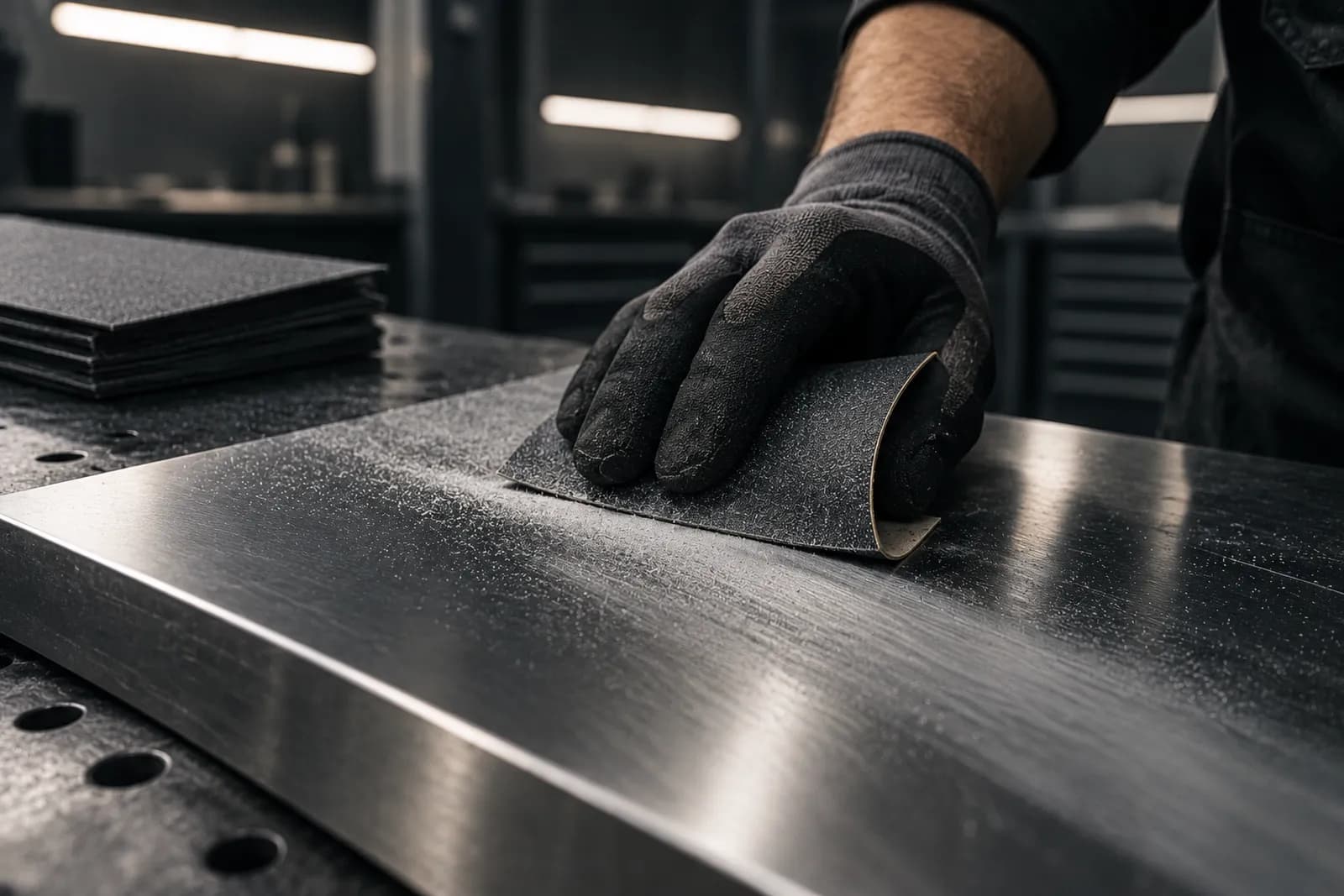
Hand sanding: with a block, in strokes, criss-cross
Why the sanding block matters more than the grit, when to sand criss-cross and where the machine cannot reach.
Read · 2 min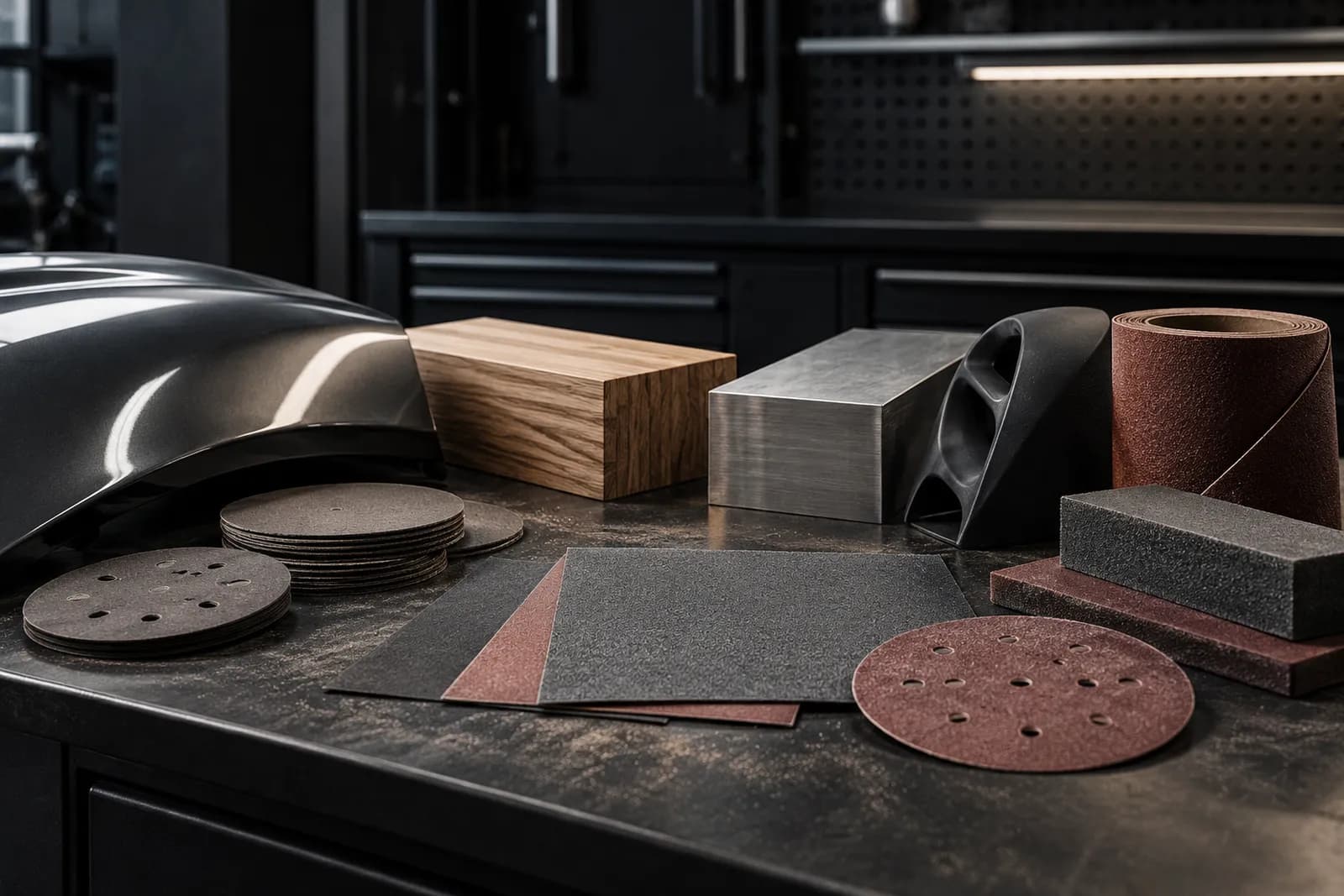
Sanders & technique
Sanding edges, profiles and curves
Where the random orbital sander can’t reach: hand block, sanding strips and non-woven abrasive – with a shaped block for profiles and without rounding over the edges.
Read · 2 min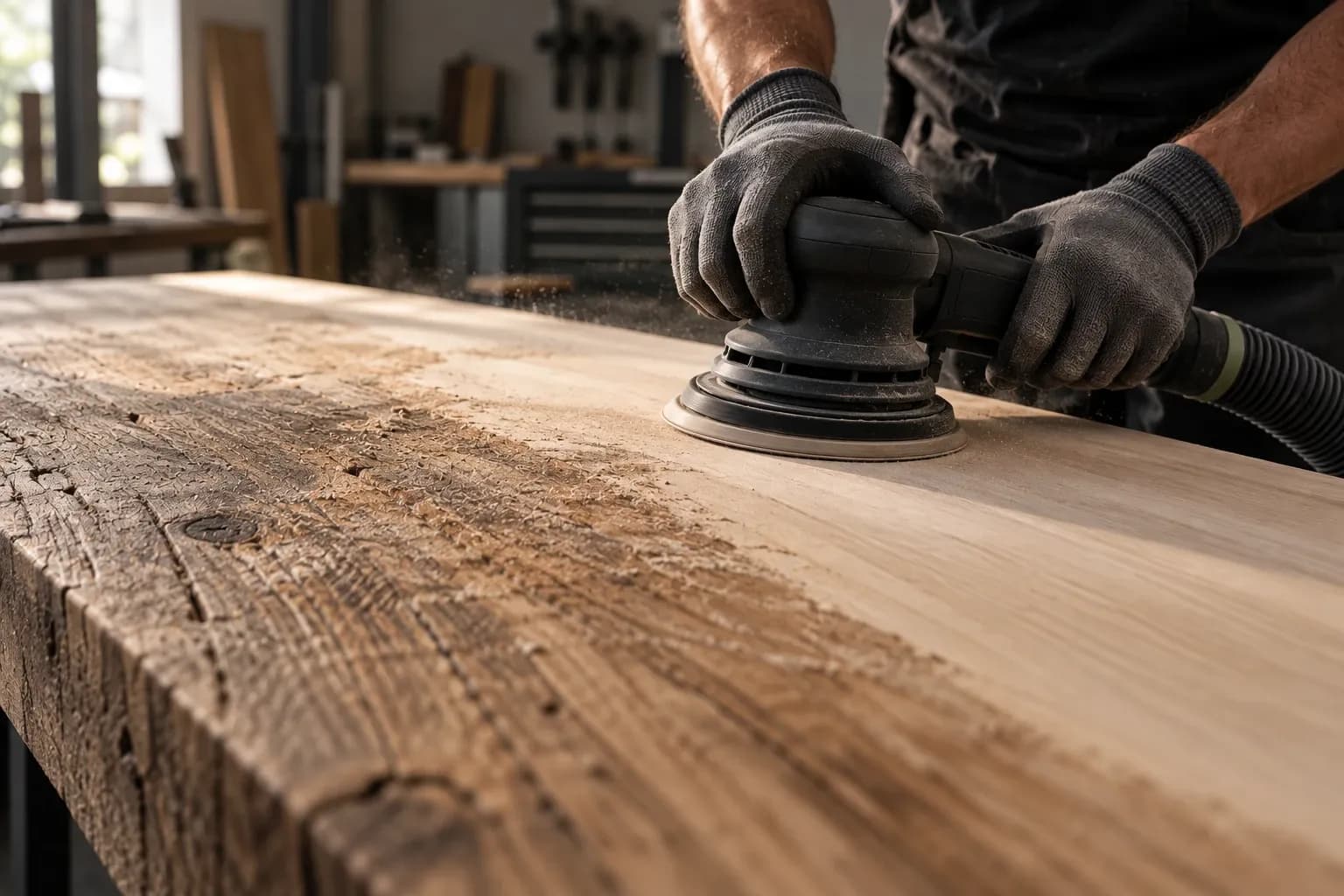
Wood
Sanding and repainting an old wooden door
Strip it completely or just key it? When you need P80, when P180 is enough – and why mouldings and edges are sanded by hand.
P80 → P120 → P180 → P240
Read · 2 min
Product safety
Information under the EU General Product Safety Regulation (GPSR). What that means →
Manufacturer
Custom-Automotive GmbHIndustriestraße 2263517 RodenbachGermanyinfo@customwheel.de- Brand
- KORNDEX
- Product
- Hand sanding block 70 × 198 · Hand blocks
- Item number
- HANDSCHLEIFBLOCK-1
Warnings and safety information
Dust and eye protection
Sanding creates dust. Work with dust extraction; otherwise wear respiratory protection (at least FFP2) and safety glasses. Dust from wood, metal, paint and plastics can be harmful to health; old paints dating from before the 1990s may contain lead.
Matched to the machine
Only use backing pads and interface pads on machines with a matching fitting and diameter, and do not exceed the maximum speed stated on the machine. An oversized pad overhangs and strikes edges.
Check for wear
Inspect the hook-and-loop surface, hole pattern and fitting before you start. If the abrasive no longer holds securely, the surface is worn or the fitting has play: replace it. A disc that comes loose while running flies a long way.
By hand
Hand blocks and pads do not protect your hand from sharp edges and burrs on the workpiece. Wear gloves on metal and chipped paint – but not when sanding by machine, as they can get caught.